Why Professional Septic Installations Are the Ultimate Property Investment
When homeowners think about property value, they often focus on kitchen remodels or fresh landscaping. However, the most critical infrastructure of a home lies beneath the surface. For properties located outside the reach of municipal sewer lines, septic installations are the single most important factor in maintaining a safe, functional, and valuable estate. A modern, professionally designed system does more than just manage waste; it protects the local ecosystem and provides the homeowner with a self-sufficient utility that can last for decades. As land development moves further into rural and suburban fringes, the demand for high-performing onsite treatment solutions has never been higher.
This reliance on private infrastructure is a significant part of the American housing landscape. According to the U.S. Environmental Protection Agency (EPA), more than 1 in 5 U.S. households (about 20%) rely on septic systems to treat wastewater. This means millions of homeowners are responsible for their own mini-treatment plants. Because such a large portion of the population depends on these systems, the quality of septic installations has become a primary point of scrutiny during property inspections and real estate transactions. A failing or outdated system is a massive liability, while a state-of-the-art installation is a powerful selling point that proves the home is built on a solid foundation.
Evaluating Conventional Systems for Long-Term Reliability
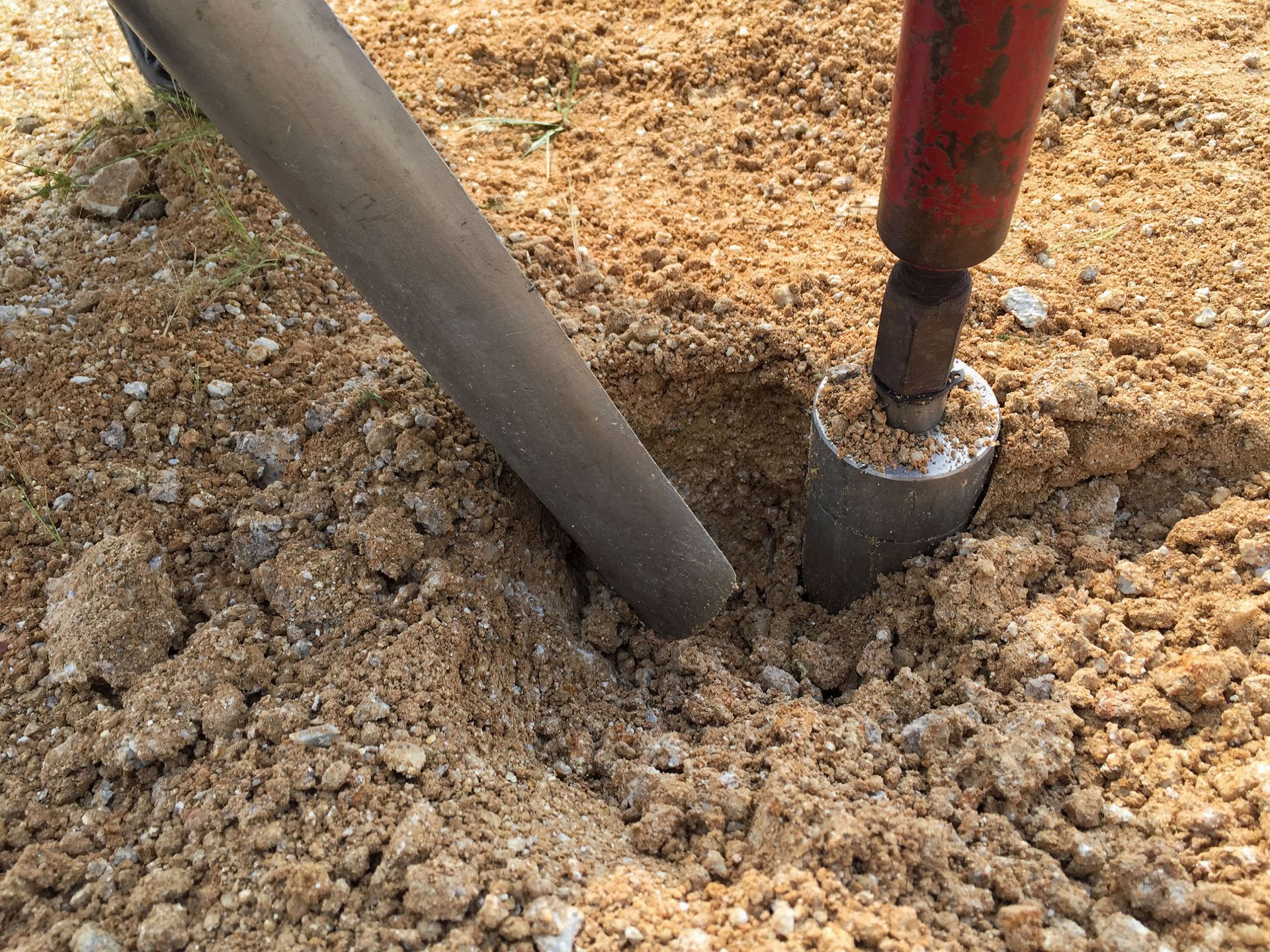
The most common choice for residential properties is the conventional septic system, which consists of a septic tank and a soil absorption field, or drain field. These systems are favored for their simplicity and cost-effectiveness, provided the soil on the property has the correct rate to naturally filter effluent. During the process of septic installations, professional engineers conduct a deep analysis of the soil layers to ensure that wastewater will percolate at the right speed. If the soil is too dense or too sandy, the system won't treat the water correctly, leading to environmental hazards and system backups.
The beauty of a conventional system lies in its passive nature. With no moving parts or electricity required for the basic gravity-fed models, there is very little that can break down mechanically. This translates to lower long-term maintenance costs for the homeowner. However, the success of these septic installations depends entirely on the initial excavation and the quality of the stone and pipe used in the drain field. When done correctly, a conventional system provides a "set it and forget it" level of reliability that appeals to buyers looking for a low-maintenance lifestyle.
Utilizing Aerobic Treatment Units for Challenging Sites
Not every property has the perfect soil or the vast acreage required for a traditional drain field. In these cases, Aerobic Treatment Units offer a sophisticated alternative. These systems work similarly to a small-scale municipal plant, using an electric pump to inject oxygen into the treatment tank. This oxygen fuels aerobic bacteria, which are far more efficient at breaking down waste than the anaerobic bacteria found in conventional tanks. Because the resulting effluent is much cleaner, Aerobic Treatment Units can often be installed on smaller lots or in areas with high water tables where a standard system would be prohibited.
While the initial cost of septic installations involving Aerobic Treatment Units is higher due to the mechanical components and electrical requirements, the flexibility they provide is invaluable. They allow for the development of lots that are difficult to build on, instantly unlocking the hidden value of a piece of land. For homeowners, the presence of an ATU signals a commitment to environmental stewardship, as these systems significantly reduce the nitrogen and phosphorus that can leach into groundwater. It is a high-tech solution for the modern, eco-conscious property owner.
Implementing Mound and Chamber Systems for Site Flexibility
When a property has shallow bedrock or a high water table, a mound system is often the only viable path forward. This involves constructing a sand-filled mound above the natural ground level to create an artificial "drain field" that treats wastewater before it ever touches the sensitive water table below. These septic installations are highly engineered structures that require precise grading and a reliable pump system to move water up into the mound. While they change the topography of the backyard, they ensure the home remains fully functional in environments that would otherwise be impossible to inhabit.
Chamber systems offer another layer of innovation by replacing the traditional gravel-and-pipe trenches with large, open plastic chambers. These chambers provide a significantly larger surface area for wastewater to interact with the soil, which increases the efficiency of the treatment process. They are often easier and faster to install, reducing the time your backyard is a construction zone. By choosing these modern methods for septic installations, homeowners benefit from a system that is less prone to clogging and easier to inspect, ensuring the property remains compliant with evolving environmental regulations.
Mastering Maintenance and Protecting Your Infrastructure
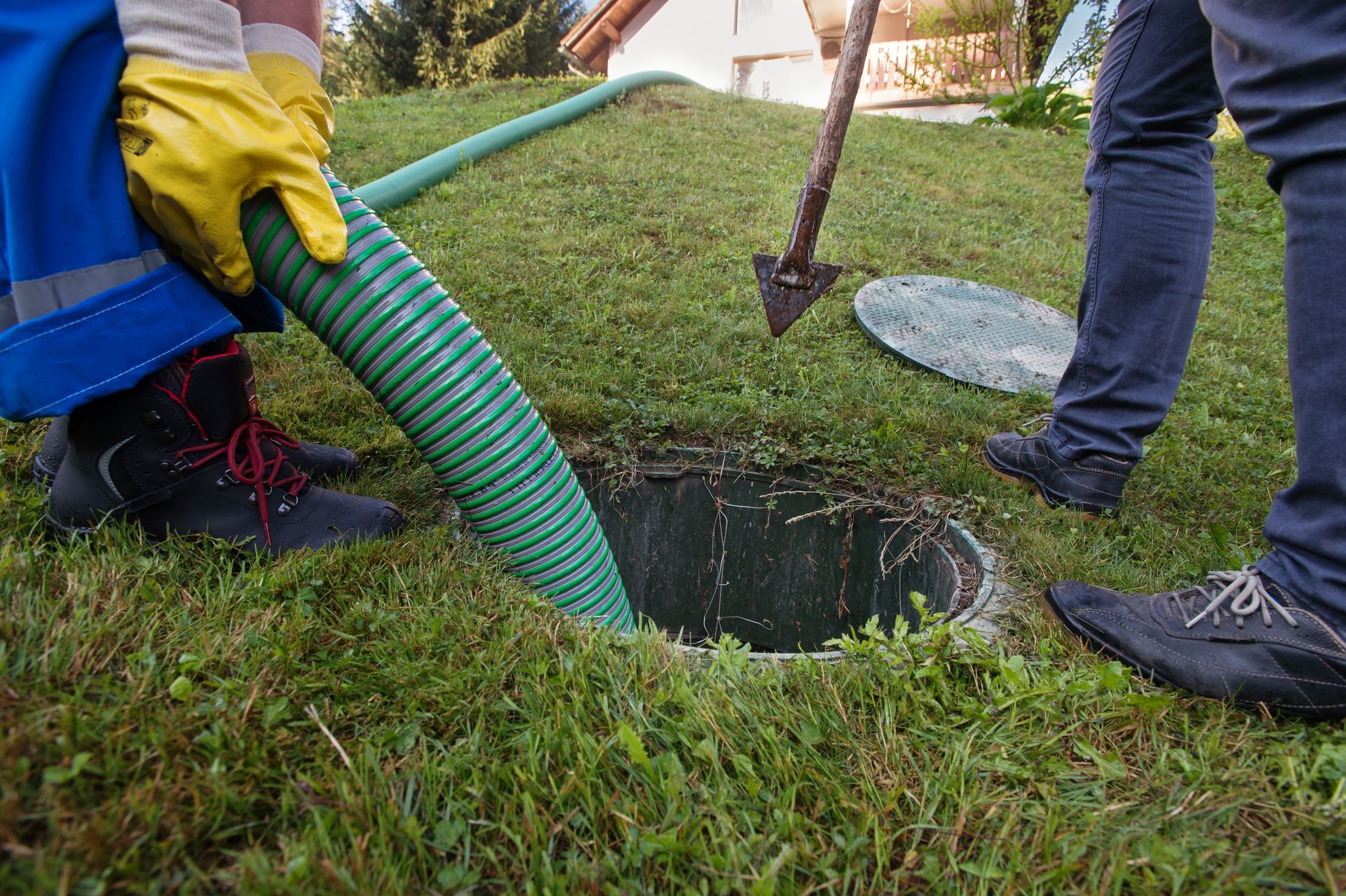
No matter how advanced the technology, the longevity of any system depends on the care it receives after the initial septic installations are complete. Professional installers always emphasize the importance of regular tank pumping —typically every three to five years —to prevent solids from migrating into the drain field. When solids enter the soil absorption area which eventually seals the soil and causes the entire system to fail. This is a catastrophic event that can cost tens of thousands of dollars to fix, making routine maintenance a very small price to pay for security.
Homeowners must also be mindful of what enters the system. Septic systems are living ecosystems of bacteria; harsh chemicals, grease, and non-biodegradable items can kill the beneficial bacteria and lead to rapid system failure. Protecting the area above the drain field is equally important. Parking vehicles or building structures over the pipes can crush the infrastructure, while planting trees too close can lead to root intrusion. By following a professional maintenance schedule, you ensure that your septic installations remain an asset rather than a hidden disaster, preserving the integrity of your home for the long haul.
In today's real estate market, buyers are more educated than ever about the risks of rural living. A home with an unverified or aging waste system is often a deal-breaker. Conversely, having documentation of a recent, high-quality installation from a reputable company is one of the best ways to justify a premium asking price. It provides the buyer with immediate peace of mind, knowing they won't be hit with a massive repair bill just weeks after moving in.
Professional septic installations also ensure that the property meets all local health department codes, which is essential for obtaining a Certificate of Occupancy or a mortgage. For many lenders, a passing septic inspection is a mandatory requirement for a loan. By investing in the best technology and the best installers today, you are essentially "future-proofing" your home. You ensure that when it comes time to sell, your property stands out as a turn-key, worry-free opportunity for the next family.
Investing in your home's waste management is a commitment to the health of your family and the value of your land. A well-installed system is a silent, reliable guardian of your property's value, working behind the scenes to keep your environment clean and your home functional for decades. Is your property's wastewater system prepared for the long term, or is it time for an upgrade? Reach out to a professional at East Coast Septic today to schedule an inspection and find out which
septic installations are best suited for your land!