July 30, 2026
Planning for a new waste management system is one of the most critical steps in building or updating a property. Before heavy equipment ever arrives, an essential evaluation must take place to ensure your land can properly handle wastewater. A thorough soil evaluation determines whether your yard is able to safely filter effluent and support long-term system performance. Skipping or rushing this evaluation can lead to costly structural issues, frequent backups, and premature system failure. Partnering with a professional septic installation service ensures that your soil is analyzed correctly right from the start. In this guide, we explore why soil tests are vital before ground is broken and how they shape every phase of your project.
Evaluating Soil Absorption Rates and Percolation
Every piece of land absorbs water at a different rate depending on its composition and soil structure. A percolation test measures how quickly liquid drains through your soil layers, which directly dictates how effectively a drain field will process wastewater. If soil absorbs liquid too slowly, standing water and surface backups can occur, creating severe health hazards. Conversely, soil that drains too quickly may allow untreated wastewater to reach deep groundwater reserves before natural filtration occurs. Relying on an experienced septic installation service ensures that these absorption rates are measured accurately, allowing for a drain field design that matches your land’s exact drainage capacity.
Identifying Soil Types and Structural Layers
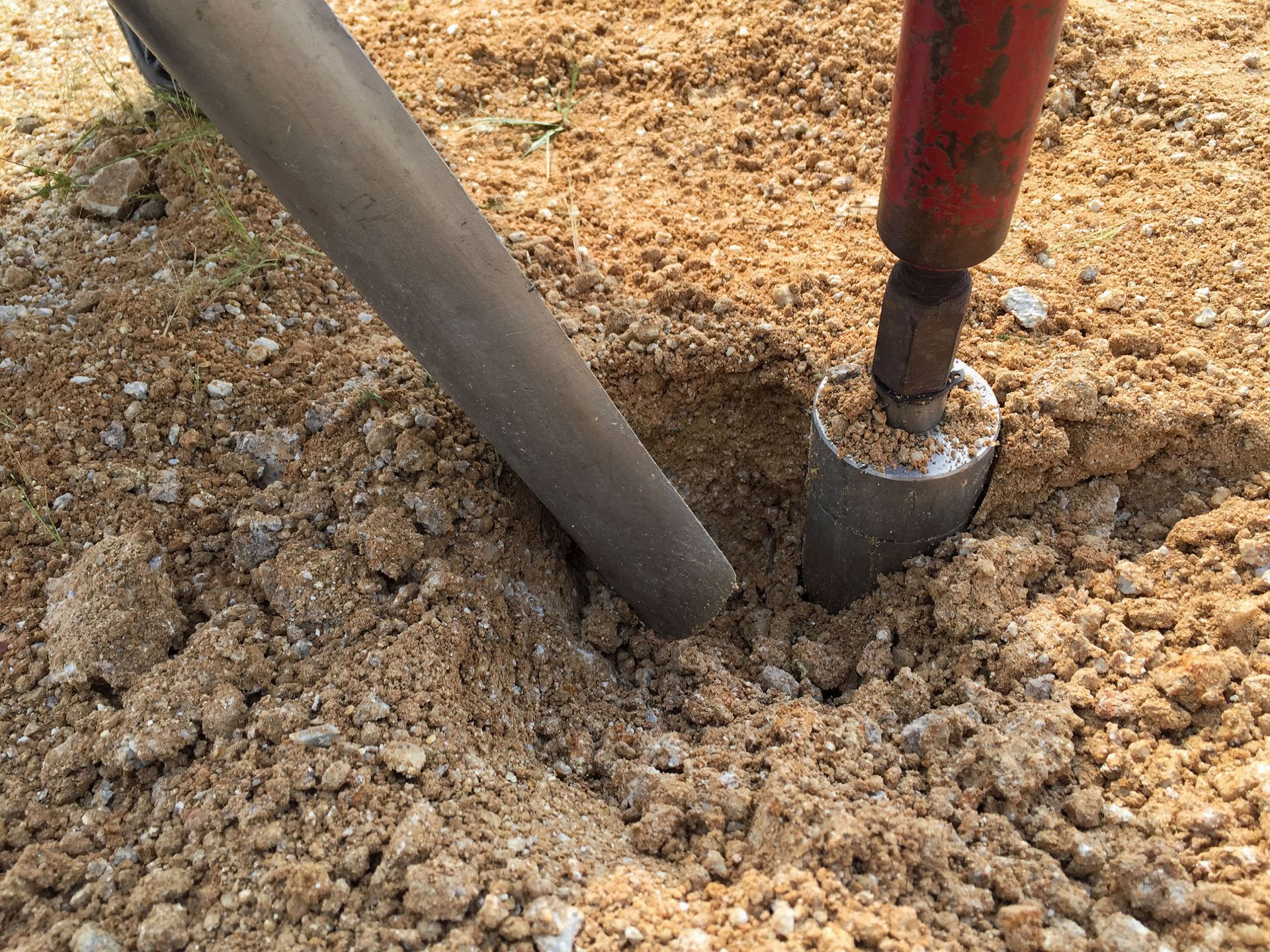
Soil is rarely uniform, and different layers beneath the surface present unique challenges for underground utilities. Sandy soils, clay deposits, gravel, and loam all interact with moisture in distinct ways. Clay-heavy soils tend to retain water and expand, while sandy soils allow quick liquid movement but offer less structural stability. Professional soil testing involves digging test pits to evaluate soil horizons, texture, and density throughout the proposed site. A licensed septic installation service uses these findings to select compatible system components and determine whether engineered fill material is required to create a stable foundation for your system.
Determining Seasonal High Water Tables
Groundwater levels fluctuate throughout the year based on rainfall, snowmelt, and seasonal weather patterns. A site that appears completely dry in late summer might experience a significantly elevated water table during spring rainstorms. If a tank or leach field is installed too close to the seasonal high water table, untreated effluent can saturate the surrounding soil and cause system backups. Soil testing reveals historical groundwater marks through color variations in the soil layers, known as mottling. A qualified septic installation service analyzes these subtle indicators to position your system at a safe distance above peak groundwater levels.
Navigating Shallow Bedrock and Underground Obstructions
In many regions, solid rock ledges and dense layers sit just a few feet below the topsoil. Attempting to install underground tanks or distribution pipes over shallow bedrock can lead to uneven settling, cracked components, and restricted drainage. Soil evaluations identify the exact depth of bedrock and restrictive layers before excavation begins. When dense rock or impermeable soil is detected, an expert septic installation service can adapt the site plan by recommending elevated systems, such as mound systems, to ensure adequate soil depth for effective wastewater treatment.
Determining the Correct Drain Field Size and Layout
The size and layout of your drain field depend entirely on the total capacity of your building and the absorption quality of your soil. Poorly draining soil requires a much larger absorption area to distribute wastewater safely, whereas high-capacity soil can handle larger volumes in a smaller footprint. Without accurate soil testing data, there is a risk of installing a drain field that is too small for the property's daily load. Engaging a reputable septic installation service ensures that your absorption field is sized precisely, preventing system overloads and extending the overall lifespan of your infrastructure.
Preventing Environmental Contamination and Groundwater Risks
A primary function of a septic system is to naturally treat wastewater before it re-enters the local water cycle. When a system is installed in unsuitable soil without adequate testing, harmful bacteria, nitrates, and pathogens can leach into nearby streams, ponds, or private drinking wells. According to the South Carolina Department of Environmental Services, applications for septic systems increased by over 130% in recent years, reflecting growing demand tied to population growth and development. As property development expands, scheduling a professional soil evaluation with a certified septic installation service plays a vital role in protecting surrounding ecosystems and preserving public health.
Ensuring Compliance with Local Health Regulations
Municipalities and county health departments enforce strict building codes and environmental regulations regarding wastewater disposal. Obtaining the necessary permits for new construction almost always requires a documented soil evaluation performed by a certified professional. Local authorities review these test results to verify that the proposed installation meets distance setbacks from property lines, wells, and surface water. Working alongside a knowledgeable septic installation service simplifies the permitting process, helping ensure all documentation is submitted correctly and that your project complies fully with regional codes.
Preventing Early System Failure and Property Damage
Installing an underground system in untested soil is one of the leading causes of early system failure. When soil cannot process the daily volume of effluent, wastewater can back up into plumbing fixtures or pool above the drain field, leading to severe odor issues and lawn damage. Fixing a failed system often requires extensive excavation, soil remediation, and complete system replacement. By investing in thorough testing through a dependable septic installation service prior to construction, property owners avoid catastrophic failures and protect the structural integrity of their landscape.
Protecting Property Value and Future Land Use
A fully functional and properly permitted waste management system is a major asset for any property owner. Prospective buyers and real estate inspectors carefully evaluate underground utilities, and a system installed without proper soil testing can create significant red flags during property sales. Having documented proof of professional soil testing demonstrates that the system was planned correctly and built on a solid foundation. Securing an expert septic installation service ensures that your investment supports long-term property values and preserves space for future land development or home expansions.
Customizing System Selection for Complex Terrain
Properties with steep slopes, dense vegetation, or tight lot boundaries present unique installation challenges that require expert design solutions. Soil testing provides the necessary data to determine whether conventional gravity-fed setups are suitable or if advanced pressure distribution or drip irrigation systems are required. Every landscape features distinct drainage patterns that must be accounted for during planning. A professional septic installation service uses soil and site evaluation to tailor system choices to the specific contours of your terrain, ensuring smooth operation across all seasons.
Soil testing is an indispensable step in the planning and execution of any new waste management project. By uncovering critical details about drainage speeds, soil composition, bedrock depth, and water table heights, proper evaluations ensure your system operates safely and efficiently for years to come. Skipping this foundational step risks environmental contamination, regulatory non-compliance, and costly structural repairs. Relying on trained professionals to handle site evaluations and construction guarantees that your land is fully prepared for long-term utility performance. Ready to begin your property project with confidence? Contact East Coast Septic today to schedule your consultation and take the first step toward a safe, reliable system setup.